Product bundling is one of the most effective strategies for increasing average order value and enhancing customer experience in online retail. Whether you’re selling fashion, tech accessories, or home goods, bundling complementary items can simplify decision-making and encourage larger purchases.
When done right, bundles feel like curated solutions rather than upsells. For example, pairing a yoga mat with a water bottle and towel creates a ready-to-go wellness kit. Customers appreciate the convenience, and sellers benefit from higher conversion rates.
Key benefits of the slow-fermentation method include:
- Complexity of Flavor: A rich, multi-layered taste profile derived from natural organic acids.
- Superior Texture: A distinctively chewy, open crumb paired with a caramelized, crisp exterior.
- Enhanced Digestibility: The long enzymatic activity makes nutrients more bioavailable and lowers the glycemic index.
Natural Preservation: The acidity produced during fermentation acts as a natural preservative, keeping the bread fresh longer without additives.
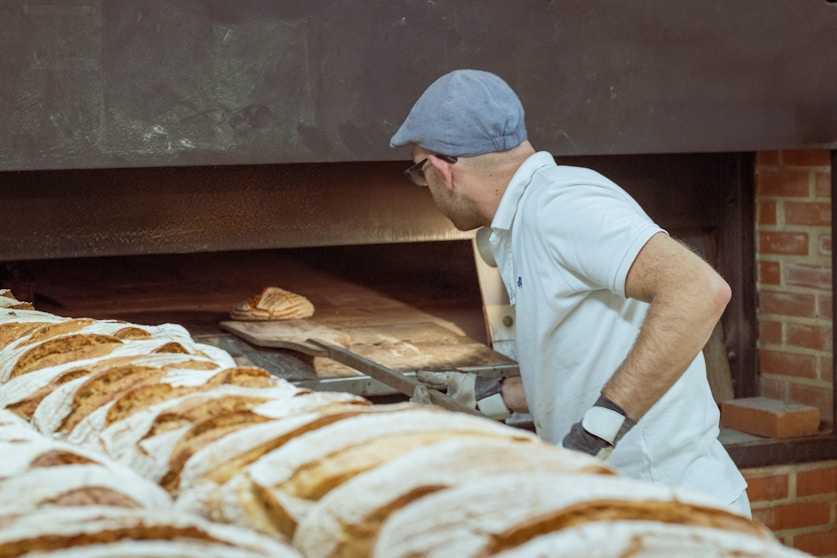
Pro Tip for Home Bakers: To achieve that professional “oven spring” and blistered crust, focus on temperature control during the final proof. Retarding your dough in the refrigerator overnight (12–16 hours) develops flavor and firms up the gluten structure, making the dough easier to score before baking. Always preheat your Dutch oven for at least 45 minutes to trap the necessary steam.
Whether you are a novice home baker or a seasoned connoisseur, embracing the slow process rewards you with a loaf that nourishes both the body and the soul. It is a return to basics that yields extraordinary results.